
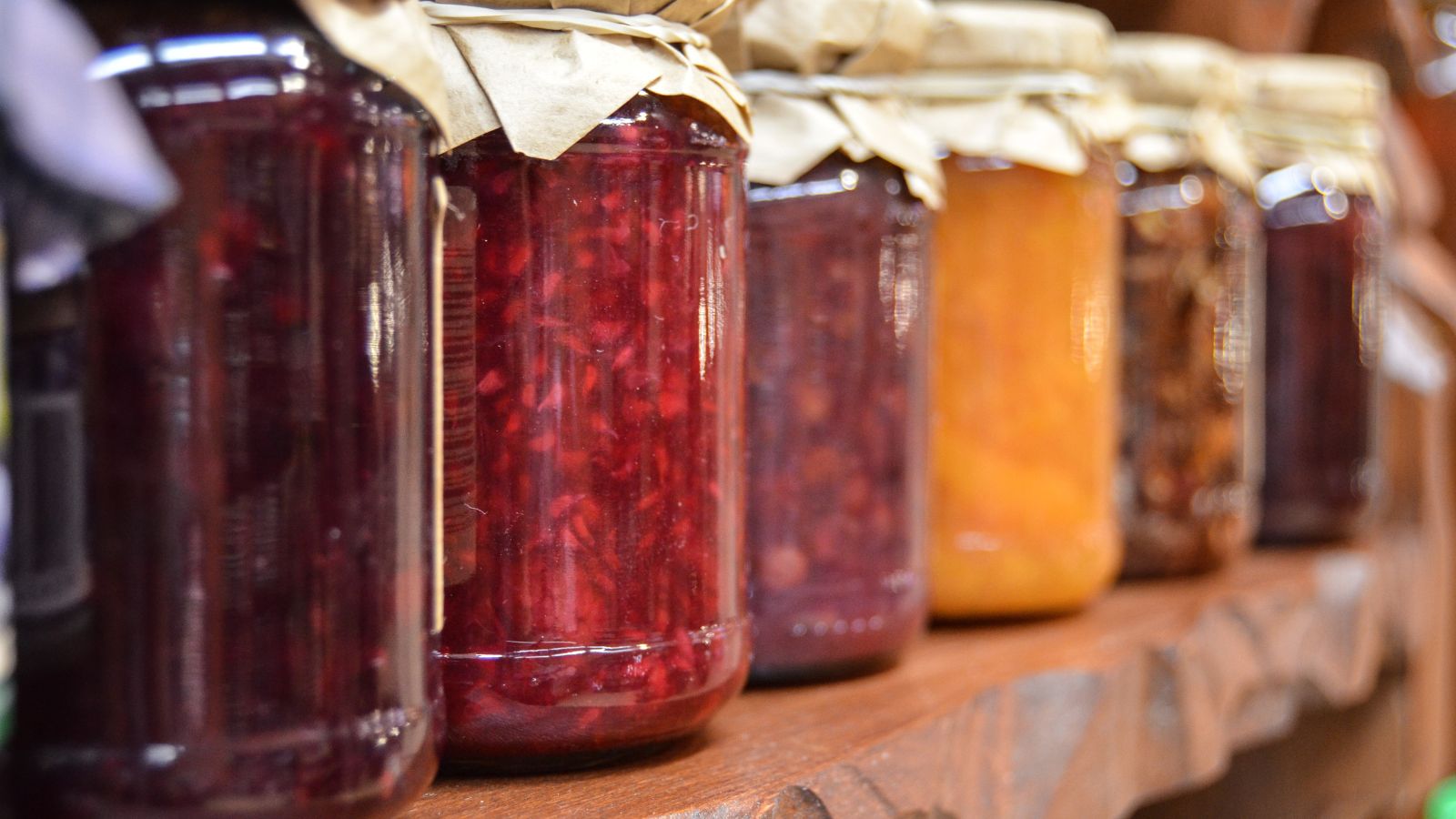
Selling homemade jams and jellies can turn a passionate hobby into a flourishing business. With the rise of artisanal and gourmet food trends, there’s never been a better time to share your unique flavors with the world. In this article, we’ll explore the essentials of turning your jams and jellies into a successful enterprise, focusing on strategies to stand out in the marketplace.
Sell Homemade Jams and Jellies
Selling homemade jams and jellies can be a lucrative venture due to the increasing consumer preference for natural and artisanal products. According to a recent survey by a leading food industry research firm, the market for artisanal jams and jellies is growing at a steady rate of 5% annually. This trend is driven by consumers seeking healthier and more authentic alternatives to mass-produced spreads.
One key strategy for success in selling homemade jams and jellies is to focus on unique flavor profiles that set your products apart. A study conducted by a culinary trends agency revealed that consumers are increasingly attracted to innovative and unconventional flavor combinations in jams and jellies. For example, introducing exotic fruit pairings or incorporating herbs and spices can appeal to adventurous food enthusiasts looking for new taste experiences.
5 Key Points Every Artisan Producer Should Know
1. Quality Ingredients Are Key
Using high-quality ingredients is crucial in creating exceptional homemade jams and jellies. Consider sourcing fresh, local fruits to enhance the flavor and authenticity of your products. Opt for organic ingredients whenever possible to cater to health-conscious consumers looking for clean and natural options. Remember that the quality of your ingredients directly impacts the taste and overall appeal of your artisanal spreads.
2. Perfecting the Art of Pectin
Understanding the role of pectin in jam and jelly making is essential for achieving the right consistency and texture. Experiment with different types of pectin to find the ideal setting point for your recipes. Keep in mind that natural pectin levels vary in fruits, so adjusting pectin quantities based on fruit acidity is key to mastering the art of preserving fruits in jams and jellies.
3. Balancing Sweetness and Tartness
Achieving the perfect balance between sweetness and tartness is a hallmark of a well-crafted jam or jelly. Tailor your recipes to suit varying taste preferences by adjusting sugar levels and incorporating acidic elements like lemon juice. Striking the right balance makes sure that your products are not overly sweet while maintaining a delightful fruity tang that keeps customers coming back for more.
4. Packaging for Appeal and Preservation
Investing in attractive and practical packaging can significantly enhance the presentation and shelf life of your homemade jams and jellies. Try using glass jars with appealing labels and seals to convey a premium image to consumers. get the right sealing and storage practices to maintain product freshness and extend the product’s shelf life.
5. Building a Strong Brand Identity
Building a strong brand identity is essential for standing out in a competitive market. Develop a compelling brand story that highlights your passion for crafting artisanal jams and jellies. Utilize social media platforms like Chef Locally to engage with your target audience, share recipe ideas, and gather feedback to foster brand loyalty. Consistent branding across packaging, online presence, and customer interactions helps create a memorable and trustworthy brand image that resonates with consumers.
How Can I Create Unique Jam and Jelly Flavors?
Creating unique jam and jelly flavors is a creative process that can set your products apart in a saturated market. One strategy to achieve uniqueness is by incorporating unexpected ingredients or flavor combinations. According to a consumer survey conducted by a food innovation firm, 78% of respondents expressed interest in trying jams and jellies with unconventional flavors. For instance, infusing traditional fruit jams with aromatic herbs like lavender or rosemary can create intriguing taste profiles that appeal to adventurous consumers seeking innovative culinary experiences.
Another approach to crafting distinctive flavors is by drawing inspiration from international cuisines. Artisan producers can add new and interesting tastes to their products by researching global flavor profiles and pairings of ingredients. A flavor trends agency did research that showed people are becoming more interested in multicultural flavors in food products. For example, there is a growing demand for jams and jellies that are inspired by fusion. For instance, mixing tropical fruits like mango and passion fruit with spices like ginger or cardamom can make new and exciting flavors that appeal to a wide range of tastes. Using traditional ingredients and cooking methods from other cultures can help artisan producers make a wide range of unique jams and jellies that suit a wide range of tastes.
What Licensing and Food Safety Regulations Apply?
When venturing into selling homemade jams and jellies, it’s essential to understand the licensing and food safety regulations that apply to your business. In the United States, cottage food laws govern the production and sale of certain homemade food products, including jams and jellies. These laws vary by state and typically outline requirements such as product labeling, sales venues, and annual sales limits. For example, California’s Cottage Food Law allows small-scale producers to sell homemade jams and jellies directly to consumers but imposes restrictions on where and how they can be sold.
In addition to licensing requirements, compliance with food safety regulations is paramount to the quality and integrity of your products. Adhering to good manufacturing practices (GMP) and implementing proper sanitation procedures are crucial for preventing foodborne illnesses and maintaining consumer trust. The Food and Drug Administration (FDA) provides guidelines for safe food handling practices, labeling requirements, and facility cleanliness standards that homemade food businesses must follow.
How Can a Chef Locally Help Promote My Jam Business?
Chef Locally can be a valuable platform for promoting your jam business by connecting you with a diverse audience of food enthusiasts and potential customers. As a comprehensive directory for home-made food businesses, Chef Locally offers visibility to artisan producers seeking to showcase their unique products. You can reach a specific group of health-conscious consumers, busy professionals, and food lovers looking for high-quality, homemade goods by listing your jam business on Chef Locally’s website. You can get more people to know about your jam business and increase brand awareness by using the platform’s reach and user engagement.
Chef Locally provides opportunities for networking and community engagement through its social media platforms and online community. Engaging with Chef Locally’s audience through posts, updates, and interactions can help build relationships with customers and fellow food entrepreneurs. You can share information about how you make jam, give recipe ideas, and get feedback from a helpful community by taking part in Chef Locally’s events, forums, and discussions. Not only can working with Chef Locally help people know about your brand, but it can also make people who love homemade and artisanal foods feel like they are part of a group.
What packaging strategies make my product stand out?
- Creative Label Design: Investing in eye-catching and informative label designs can make your jam products stand out on the shelves. Consider incorporating vibrant colors, attractive fonts, and unique illustrations that reflect the artisanal and homemade nature of your jams. For example, using hand-drawn illustrations of fruits or showcasing the origin of your ingredients on the label can resonate with consumers seeking authentic and visually appealing products.
- Sustainable Packaging Choices: Opting for eco-friendly packaging materials not only appeals to environmentally conscious consumers but also communicates a commitment to sustainability. Explore options such as recyclable glass jars, biodegradable labels, or reusable containers that align with your brand values. You can set your products apart in the market and attract a growing group of eco-conscious customers looking for eco-friendly options by focusing on sustainable packaging options.
- Personalized Packaging Solutions: Offering customizable packaging solutions can enhance the personal connection between your brand and customers. Consider providing options for personalized labels, gift packaging, or custom messages that cater to special occasions or events. You can add a personal touch to your jam products that makes them stand out from mass-produced alternatives by letting customers make their own unique and personalized packages for gifts or personal use.
How Should I Price My Homemade Jams and Jellies?
When determining the pricing strategy for your homemade jams and jellies, it’s essential to consider factors such as production costs, market trends, and perceived value. Conducting a cost analysis to calculate the expenses involved in ingredients, packaging, labor, and overhead costs can help you establish a baseline price for your products. researching the pricing of similar artisanal jams and jellies in the market can provide valuable insights into competitive pricing ranges and consumer expectations. Data from a consumer survey by a food industry analysis firm indicated that customers are willing to pay a premium for homemade jams and jellies that offer unique flavors, high-quality ingredients, and artisanal craftsmanship.
Pricing your homemade jams and jellies competitively while maintaining profitability is essential for long-term success. Consider implementing a tiered pricing strategy to cater to different customer segments or offering bundle deals for bulk purchases to encourage larger orders. You can get price-conscious customers and make the most money at the same time by setting prices that are based on how much people think the products are worth, how their quality differs, and where they fit in the market. You can also boost sales and get people talking about your jam business by running promotions, seasonal discounts, or limited-time offers. These can attract both new and returning customers with great prices.
Leveraging Social Media to Grow Your Jam Business
Utilizing social media platforms is a powerful strategy to expand the reach and visibility of your jam business. Statistics from a digital marketing research report revealed that over 3.8 billion people worldwide are active social media users, highlighting the vast potential for reaching a broad audience through these channels. Develop a strong presence on social media sites like Instagram, Facebook, and Pinterest to interact with customers, show off your goods, give behind-the-scenes looks, and use visual content to captivate followers. In addition to recipe ideas, customer reviews, and special offers, posting interesting and high-quality photos of your homemade jams and jellies can help spread the word about your brand and build a loyal online community.
Social media provides a platform for direct interaction with customers, enabling real-time communication, feedback gathering, and relationship building. You can give your audience a more personalized and interesting experience that sticks with them by responding to their comments, messages, and interactive posts. Having live cooking demos, giveaways, or working with food industry influencers can help your brand get more attention and bring in new customers for your jam business. Using social media analytics tools to keep an eye on engagement levels, track performance metrics, and change your content strategy based on what you learn can help your social media efforts grow and have a bigger impact.
Building a Loyal Customer Base for Your Jam and Jelly Products
Building a loyal customer base for your jam and jelly products involves fostering strong connections, delivering exceptional service, and cultivating brand loyalty. Research conducted by a customer loyalty insights firm indicated that acquiring a new customer can be five times more costly than retaining an existing one, underscoring the importance of prioritizing customer retention efforts. Customers will trust and stay with you if you offer consistent quality, personalized experiences, and helpful customer service. Customers will be more likely to buy your homemade jams and jellies over others if you offer loyalty programs, special deals, and personalized rewards for repeat buyers.
Engaging with your customer base through various touchpoints can enhance brand loyalty and foster long-term relationships. Hosting tasting events, participating in local food markets, or organizing workshops can create opportunities for direct interaction with customers and allow them to experience your products firsthand. You show that you care about meeting customer needs and preferences by asking for feedback, answering questions quickly, and using customer suggestions in the product development process. Using social media, newsletters, and customer appreciation programs to build a community around your jam business can help you connect with your audience even more and get happy customers to spread the word.
Leave a Reply
You must be logged in to post a comment.